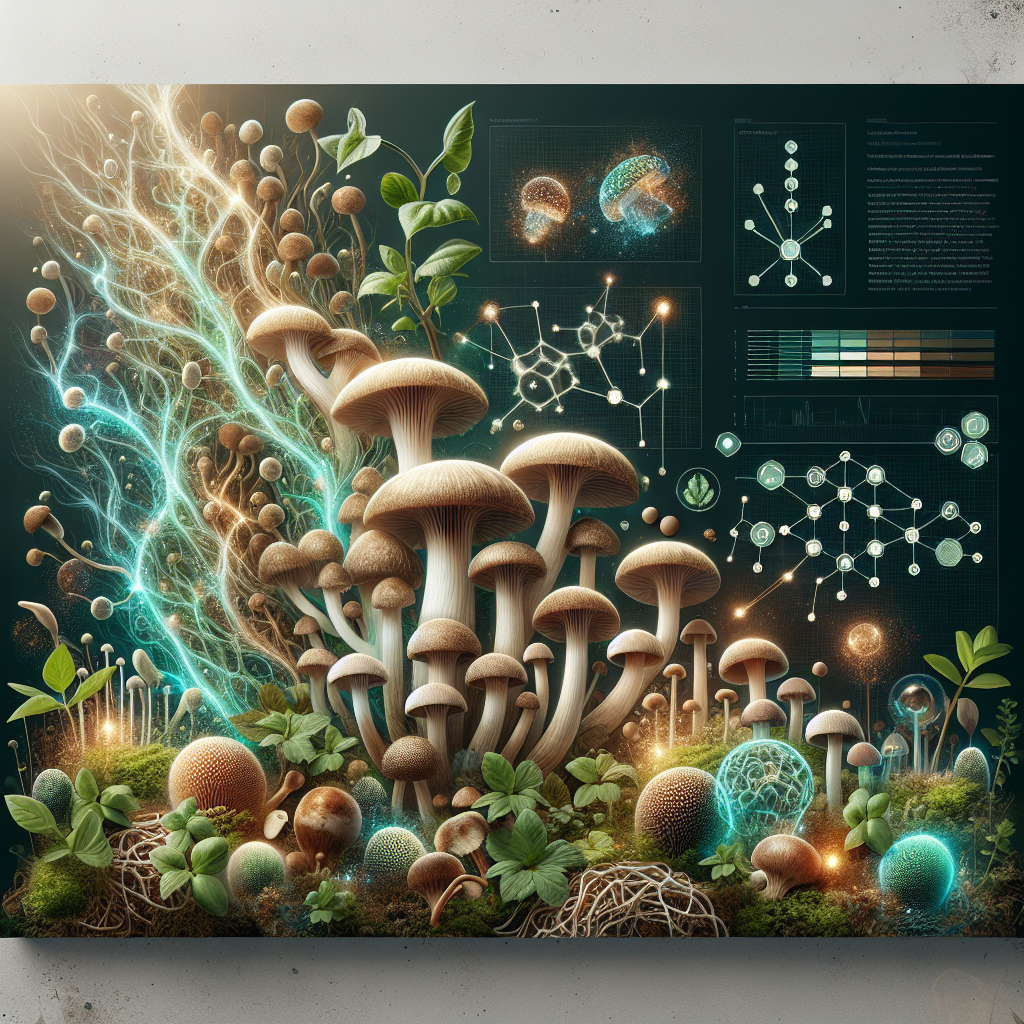
Unlocking the Secrets of Organic Mushroom Growing Methods
Estimated Reading Time: 7 minutes
- Discover the major organic methods for mushroom cultivation.
- Learn about sustainability and its benefits in mushroom growing.
- Explore popular mushroom species suitable for organic cultivation.
- Understand the environmental controls needed for successful growth.
Table of Contents:
- Introduction
- Overview of Organic Mushroom Growing Methods
- Major Organic Mushroom Growing Methods
- Other Considerations in Organic Cultivation
- Popular Mushroom Species for Organic Cultivation
- Summary Table: Organic Mushroom Growing Methods
- Conclusion
- Call to Action
- FAQ
Introduction
As the wellness industry continues to evolve, so does the appeal of organic mushroom cultivation. Increasing awareness about the benefits of functional mushrooms has led many to explore home growing methods. Whether you’re interested in enhancing your brain health, boosting your immunity, or simply enjoying the flavors of fresh mushrooms, understanding organic mushroom growing methods is essential. In this blog post, we’ll explore the major organic techniques available for cultivating mushrooms, their benefits, and how they connect to Troop’s commitment to quality and sustainable wellness practices.
Overview of Organic Mushroom Growing Methods
Organic mushroom cultivation emphasizes sustainability and natural processes, avoiding synthetic chemicals and promoting a healthier environment. Whether you’re a seasoned grower or a curious beginner, there are adaptable methods for every skill level, timeline, and desire for output.
Major Organic Mushroom Growing Methods
1. Bag Culture (“Plastic Pack” or “Substrate Bag” Method)
Bag culture is one of the most popular methods for both commercial and small-scale growers. Its reputation stems from its adaptability and ease of use. This method involves inoculating sterilized or pasteurized organic substrates—such as sawdust, straw, or even coffee grounds—with mushroom spawn inside polypropylene bags.
Key Steps:
- Prepare Substrate: Begin with a nutrient-rich substrate, such as sawdust or grain.
- Sterilization: Remove competing organisms by sterilizing or pasteurizing the substrate, which can be achieved through methods like pressure cooking.
- Inoculation: Perform inoculation in a clean environment, introducing the mushroom spawn to the substrate.
- Incubation: Place the bags in a dark, humid area until mycelium fully colonizes the substrate.
- Fruiting: Once colonized, expose the bags to light and fresh air to initiate fruiting.
This method is ideal for growing various mushroom species, from oyster to shiitake, due to its flexibility and scalability (source: Agritecture; Earth Team Solutions).
2. Log Cultivation
Log cultivation is a traditional, chemical-free technique particularly popular among those growing shiitake and oyster mushrooms. This organic method entails drilling holes into hardwood logs (typically oak), where you insert mycelium-infused dowel spawn.
Benefits:
- Sustainability: Minimized reliance on external inputs makes this an eco-friendly option.
- Longevity: Once established, logs can produce mushrooms for several years. However, patience is required, as the first flush may take a year or more (source: Mycoterra Farm).
To ensure fruitful outcomes:
- Keep logs in a shaded, moist area.
- Regularly water them, especially in the initial year.
3. Premade Kits and Indoor Substrate Blocks
For beginners, premade kits present a user-friendly option. These kits often come with sterilized organic substrate blocks inoculated with mushroom spawn. To fruit mushrooms, simply cut open the block and mist it with water twice daily.
Advantages include:
- Ease of Use: Perfect for home growers who want reliable results without complex setups (source: Permaculture Apartment).
- Quick Results: Fruiting can occur in as little as one to three weeks.
Other Considerations in Organic Cultivation
While growing mushrooms can be fun and rewarding, it’s important to be aware of various factors impacting your success:
Culturing Mycelium
Mycelium can grow from spores or tissue samples on nutrient-rich agar media like Potato Dextrose Agar. However, achieving healthy mycelium requires a sterile environment and specialized equipment, such as a pressure cooker and sterilized tools (source: Earth Team Solutions).
Environmental Controls
Mushrooms flourish under specific environmental conditions:
- Light: Direct sunlight is unnecessary; mushrooms need indirect or low-intensity lighting to initiate fruiting.
- Humidity and Temperature: Maintaining humidity levels and optimal temperatures is crucial during both incubation and fruiting stages (source: Mycoterra Farm).
Substrates
Utilizing organic substrates is foundational to organic cultivation and may include:
- Hardwood Sawdust
- Straw
- Agricultural Byproducts
- Coffee Grounds
All components used must be certified organic or untreated to align with organic standards.
Popular Mushroom Species for Organic Cultivation
Cultivating specific types of mushrooms can further enhance your organic growing experience. Some of the most popular organic mushroom species include:
- Oyster mushrooms (Pleurotus spp.)
- Shiitake (Lentinula edodes)
- Lion’s mane (Hericium erinaceus)
- Button and portobello (Agaricus bisporus), typically grown in a composted manure/straw mix.
Summary Table: Organic Mushroom Growing Methods
| Method | Substrate | Setup Complexity | Yield Timeline | Suitability |
|---|---|---|---|---|
| Bag Culture | Sawdust, straw, etc. | Moderate | Weeks – a few months | Home/Commercial |
| Log Cultivation | Hardwood logs | Moderate – High | 6 – 18 months | Outdoor, Long-term |
| Premade Kits/Blocks | Ready blocks | Very Easy | 1 – 3 weeks | Home, Beginners |
Conclusion
Organic mushroom growing is both accessible and harmonious with sustainable living practices. As you delve into methods ranging from simple home kits to more intricate techniques like bag culture and log cultivation, you’ll discover the joy of nurturing these versatile fungi. Remember, successful organic cultivation hinges on natural and untreated substrates, careful cleanliness, and diligent environmental control (source: Permaculture Apartment; Earth Team Solutions; Mycoterra Farm).
Call to Action
Ready to embark on your organic mushroom cultivation journey? Visit our Troop website to explore our high-quality functional mushroom products, subscribe to our newsletter for the latest tips and trends, or contact us directly with any inquiries. Let’s grow wellness together!