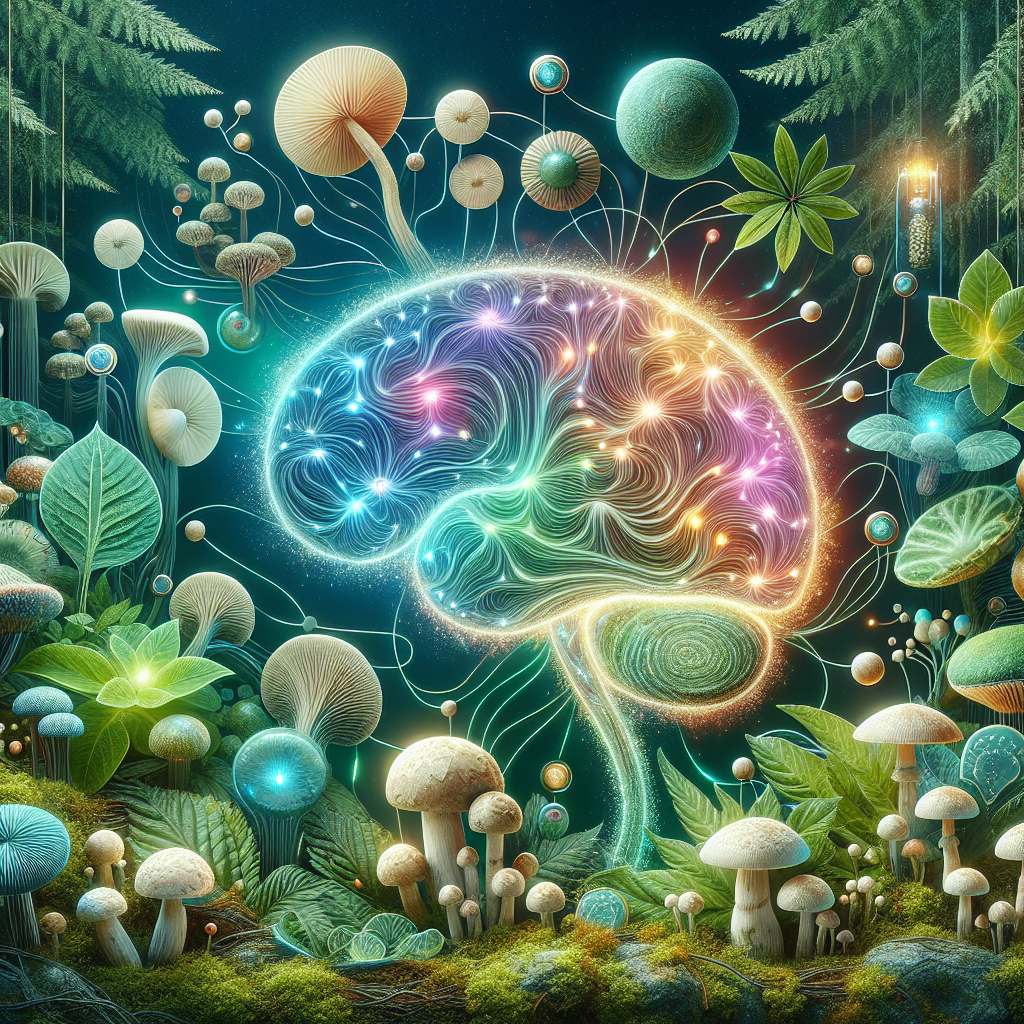
Natural Nootropics from Fungi: Enhancing Brain Health with Fungal Wisdom
Estimated reading time: 8 minutes
- Explore the Potential: Incorporate diverse nootropic mushrooms into your diet for holistic brain health benefits.
- Be Mindful of Sources: Choose high-quality mushroom supplements or food sources to ensure bioactive compounds are present.
- Stay Informed: Regularly update yourself on ongoing research regarding mushrooms and cognitive health.
- Consult Professionals: If you have specific health concerns, consult a healthcare provider or a functional medicine practitioner knowledgeable in natural remedies.
Table of Contents
- What Are Natural Nootropics from Fungi?
- The Key Players in Nootropic Mushrooms
- Mechanisms of Action: How Huitan Nootropics Work
- Embracing Natural Nootropics: Safe and Practical Use
- Current Research and Future Directions
- Key Takeaways for Wellness Enthusiasts
- Troop’s Commitment to Mushroom Wellness
- Conclusion
- FAQ
What Are Natural Nootropics from Fungi?
Natural nootropics from fungi, often referred to as nootropic mushrooms, are edible or supplemental mushrooms containing bioactive compounds that support cognitive functions such as memory, focus, and mental clarity. With the increasing interest in natural cognitive enhancers as alternatives to synthetic options, mushrooms such as Hericium erinaceus (Lion’s Mane), Ganoderma lucidum (Reishi), Cordyceps militaris (Cordyceps), and Inonotus obliquus (Chaga) are gaining recognition for their potential benefits. Research indicates that these fungi interact with neurological pathways primarily through neurotrophic factors, anti-inflammatory, antioxidant, and neurotransmitter-modulating effects (source, source).
The Key Players in Nootropic Mushrooms
- Lion’s Mane (Hericium erinaceus)
- Bioactive compounds: Hericenones and erinacines.
- Primary effects: Lion’s Mane is renowned for its ability to stimulate Nerve Growth Factor (NGF) synthesis, which aids in neuron maintenance and regeneration. Clinical research has suggested it may improve cognitive functions—such as attention, memory, and language skills—particularly in individuals over 50 (source, source). Moreover, it shows promise in reducing symptoms of depression and anxiety through neurotrophic and antioxidant pathways.
- Reishi (Ganoderma lucidum)
- Bioactive compounds: Triterpenoids, polysaccharides.
- Primary effects: Reishi mushrooms are linked to promoting neurogenesis (the development of new neurons) and offer anti-anxiety and mood-supporting properties. Some studies suggest improved cognitive function due to enhanced neurogenesis (source, source).
- Cordyceps (Cordyceps militaris)
- Bioactive compounds: Cordycepin, polysaccharides.
- Primary effects: Known for their role in increasing cellular energy (ATP), Cordyceps support mental stamina and endurance. They may indirectly enhance cognitive performance by improving energy metabolism and reducing fatigue (source).
- Chaga (Inonotus obliquus)
- Bioactive compounds: Antioxidants including melanin, polyphenols, ergosterol.
- Primary effects: Chaga mushrooms wield potent antioxidant properties, providing neuroprotection that may guard brain cells from oxidative damage (source). They are believed to help combat cognitive decline related to neuroinflammation.
- Oyster Mushroom (Pleurotus ostreatus)
- Bioactive compounds: Beta-glucans, ergothioneine, flavonoids.
- Primary effects: These mushrooms enhance immune regulation and have been associated with improved cognitive performance and sleep quality, especially in older adults (source).
Mechanisms of Action: How Huitan Nootropics Work
Understanding the mechanisms behind the cognitive effects of these mushrooms is key:
- Neurotrophic Factor Modulation: Fungi like Lion’s Mane enhance factors crucial for brain plasticity, ultimately supporting cognitive functions and brain maintenance (source, source).
- Antioxidant Protection: The high antioxidant content in mushrooms protects against oxidative stress, a leading factor in neurodegeneration (source).
- Anti-Inflammatory Action: Certain mushrooms can influence inflammation levels in the body, positively affecting cognitive health (source).
- Neurotransmitter Support: They may help regulate neurotransmitter functions that influence mood and cognition (source).
Embracing Natural Nootropics: Safe and Practical Use
Natural nootropics from mushrooms are generally well-tolerated with a lower risk profile than synthetic nootropics, especially when consumed as whole foods or standardized extracts (source). You can find these mushrooms in various forms, including:
- Culinary Uses: Incorporate them into your cooking for added flavor and nutrition.
- Teas: Brew mushroom teas for a soothing and health-boosting beverage.
- Powders: Blend mushroom powders into smoothies, soups, or health shakes.
- Capsules and Liquid Extracts: These provide concentrated doses for more specific health goals.
Current Research and Future Directions
While promising, the clinical evidence supporting nootropic mushrooms is still developing. Lion’s Mane has shown relatively strong evidence, particularly with mild cognitive impairment in older adults (source, source). For other mushrooms like Reishi, Cordyceps, and Chaga, although preliminary studies seem encouraging, more significant clinical trials are necessary to corroborate their cognitive benefits and fully understand their effectiveness (source, source).
Key Takeaways for Wellness Enthusiasts
- Find ways to integrate natural nootropics into your daily routine.
- Prioritize sourcing quality products to maximize health benefits.
- Keep abreast of ongoing scientific research and findings.
- Engage with healthcare professionals when exploring new health strategies.
Troop’s Commitment to Mushroom Wellness
At Troop, we recognize the profound potential of natural nootropics from fungi to support overall health and cognitive functioning. Our range of products leverages the power of functional mushrooms to provide natural enhancements for your lifestyle. Whether you’re looking for focus, improved memory, or even emotional balance, our formulations are designed with quality and sustainability in mind.
Get Started with Troop’s Mushroom Products
Experience the mind-expanding benefits of nootropic mushrooms today! Explore our collection of premium functional mushroom products, subscribe to our emails for the latest updates, and join a community dedicated to natural wellness. Contact us for more information and start your journey toward enhanced cognitive health.
Conclusion
Natural nootropics from fungi such as Lion’s Mane, Reishi, Cordyceps, Chaga, and Oyster mushrooms show remarkable promise for enhancing various aspects of cognitive health. With science increasingly backing the benefits of these mushrooms, it’s clear that nature offers us powerful allies in our quest for wellness. As you embrace these incredible fungi, remember that combining knowledge with quality products—like those offered by Troop—can help you achieve the brain health and overall vitality you seek.
For further insights and product exploration, visit Troop’s website and begin your journey toward optimal wellness today!
FAQ
What are the potential benefits of nootropic mushrooms?
Nootropic mushrooms may enhance cognitive functions such as memory, focus, and mental clarity, while offering neuroprotective, anti-anxiety, and mood-supporting effects.
Are there any side effects associated with nootropic mushrooms?
Natural nootropics from mushrooms are generally well-tolerated with a lower risk profile compared to synthetic options.
How can I include nootropic mushrooms in my diet?
You can incorporate nootropic mushrooms into your cooking, brew teas, use powder supplements in smoothies, or take them in capsule form.
Is there ongoing research about nootropic mushrooms?
Yes, research is currently developing, especially regarding the cognitive effects and potential health benefits of various nootropic mushrooms.