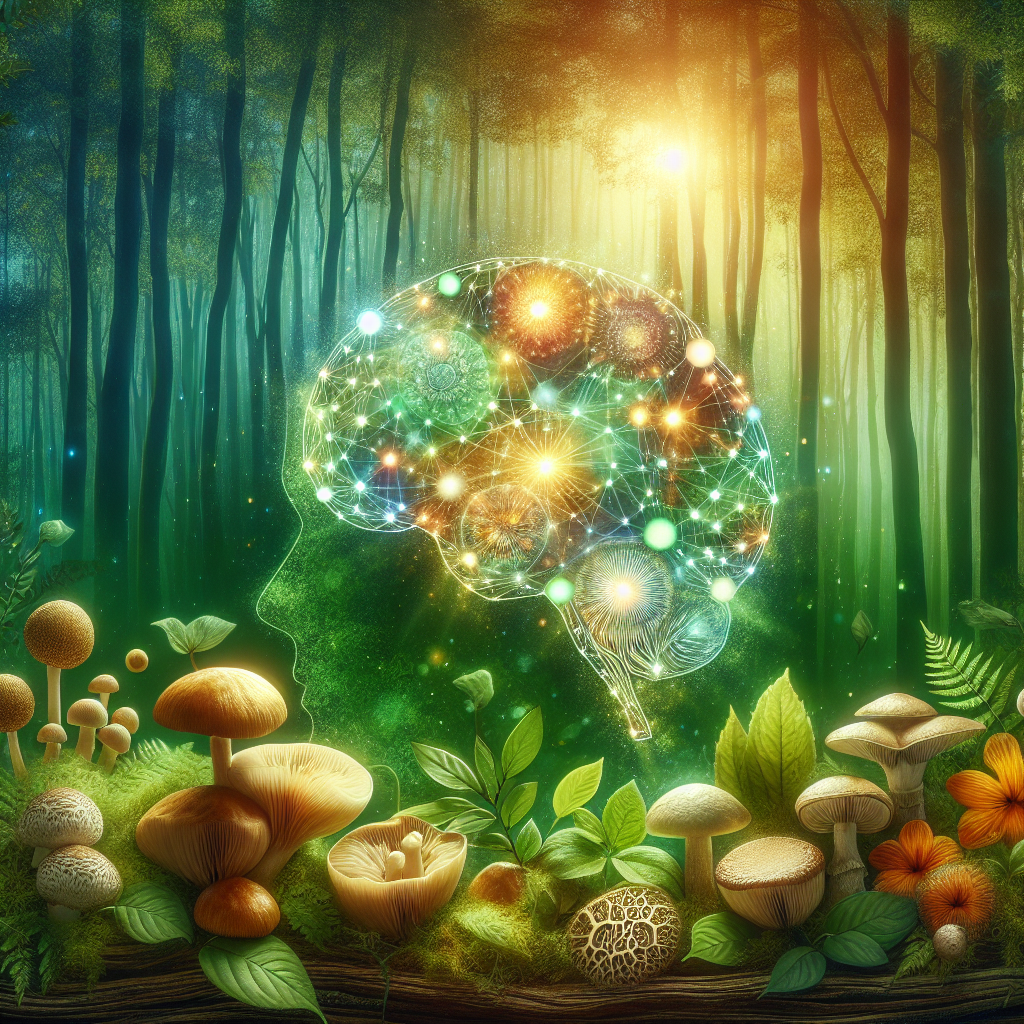
Discovering Natural Nootropics from Fungi: Enhancing Brain Health and Wellness
Estimated reading time: 6 minutes
- Natural nootropics from fungi can enhance cognitive performance and overall wellness.
- Main contenders include lion’s mane, reishi, chaga, and cordyceps.
- Each mushroom offers unique benefits for brain health and neuroprotection.
- Practical applications and safety considerations are essential when using these mushrooms.
Table of Contents
- The Exciting World of Fungal Nootropics
- Key Fungal Nootropics and Their Benefits
- Mechanisms Behind Fungal Nootropics
- Safety, Limitations, and Research Gaps
- Practical and Evidence-Aligned Use of Fungal Nootropics
- Explore Troop’s Mushroom Wellness Products
- FAQ
The Exciting World of Fungal Nootropics
Natural nootropics from fungi primarily consist of medicinal and culinary mushrooms that have shown promising effects on cognition, mood, and neuroprotection through various studies. While the evidence is still in its infancy, the most notable mushroom in this sphere is lion’s mane (Hericium erinaceus), which boasts a range of cognitive benefits supported by limited human studies. Other contenders include reishi (Ganoderma lucidum), chaga (Inonotus obliquus), and cordyceps (mainly Cordyceps sinensis and C. militaris).
Research indicates that these mushrooms can act as natural nootropics, promoting cognitive enhancement and neuroprotection. However, it’s essential to navigate the evidence with care, as much of it is from animal studies or small-scale human trials.
Key Fungal Nootropics and Their Benefits
1. Lion’s Mane (Hericium erinaceus)
Lion’s mane is often heralded as the standout nootropic among mushrooms. Its core nootropic actions are attributed to compounds known as hericenones and erinacines, which stimulate the synthesis of nerve growth factor (NGF)—a crucial component for neuron health, growth, and survival. Studies suggest that lion’s mane can:
- Boost nerve cell growth: Promoting the development and maintenance of neurons.
- Protect the brain: Offering antioxidant and neuroprotective effects in the face of neurodegeneration.
Human studies, noteworthy among them a double-blind trial, have shown that elderly individuals with mild cognitive impairment experienced improved cognitive scores when consuming lion’s mane—increasing attention, memory, and processing speed. While these effects can be significant, they appear to be temporary, dissipating once supplementation halts [WebMD].
Practical Takeaway: Lion’s mane may be particularly beneficial for older adults seeking cognitive support. Incorporating lion’s mane supplements into your diet can help maintain cognitive function and mood, especially when combined with a healthy lifestyle.
2. Reishi (Ganoderma lucidum)
Reishi is often referred to as a calming and neuroprotective mushroom rather than a direct cognitive enhancer. The benefits of reishi arise from its high levels of triterpenes and polysaccharides, which demonstrate strong antioxidant activity. Animal and preliminary human studies suggest that reishi may help:
- Slow cognitive decline and neuronal damage, particularly in aging populations.
- Combat oxidative stress linked to cognitive impairment.
While the human data are still developing, reishi’s potential as an anti-aging support fungus is widely recognized, particularly for its long-term benefits in neurological health [Bodybio].
Practical Takeaway: Use reishi as a long-term health supplement to support brain health, especially if you are concerned with cognitive decline due to aging.
3. Chaga (Inonotus obliquus)
Chaga is celebrated for its antioxidant and anti-inflammatory properties, which can potentially support cognitive health indirectly. Emerging studies show that chaga can:
- Decrease oxidative stress and boost serotonin levels in the brain.
- Contribute to improved memory performance, based on animal studies that suggest it may help restore glutathione levels—an essential antioxidant for brain health.
While the cognitive benefits of chaga are not yet confirmed in large-scale human studies, its potential roles in enhancing overall brain function make it a mushroom worth considering [Bodybio].
Practical Takeaway: Adding chaga to your wellness routine may provide protective benefits against cognitive decline by promoting antioxidant and anti-inflammatory pathways.
4. Cordyceps (Cordyceps sinensis / Cordyceps militaris)
Traditionally used in Chinese medicine for enhancing energy and endurance, cordyceps are also marketed for brain functions like focus and managing “brain fog.” Its key cognitive-related benefits include:
- Supporting learning and memory, along with improving attention spans due to its polypeptide complexes and antioxidant properties.
- Enhancing cellular health in the brain, which can contribute to improved mental clarity.
While most evidence derives from traditional uses and animal studies, the potential indirect cognitive benefits associated with increased overall health make cordyceps a notable contender [Bodybio].
Practical Takeaway: If you’re looking to elevate your physical and cognitive performance, consider incorporating cordyceps into your daily supplements, especially when paired with physical exercise.
Mechanisms Behind Fungal Nootropics
Across these mushrooms, several mechanisms suggest their potential as natural nootropics:
- Neurotrophic Support: Particularly with lion’s mane enhancing NGF synthesis, these mushrooms seem to promote neuron survival and synaptic flexibility.
- Antioxidant Defense: All discussed mushrooms are rich in compounds that reduce oxidative stress, crucial for preventing cognitive decline.
- Anti‑inflammatory Effects: The reduction of neuroinflammation might contribute to better cognitive performance and a more stable mood.
These shared mechanisms underscore the promise of functional mushrooms not only for cognitive enhancement but also for overall well-being and longevity.
Safety, Limitations, and Research Gaps
While fungal nootropics are generally well-tolerated and show substantial potential, they should not replace conventional medical treatments for cognitive disorders. Safety considerations for long-term, high-dose use remain limited. Possible allergic reactions and interactions with medications are real concerns, especially for sensitive populations.
The current state of research also presents challenges, as the majority of studies are small and often yield mixed results. Additionally, standardization of mushroom extracts poses a difficulty in directly comparing benefits across various products and studies.
Practical and Evidence-Aligned Use of Fungal Nootropics
Given the current findings, here are some recommended uses for these natural nootropics:
- Lion’s Mane: Best for mild cognitive support in older adults, potentially improving mood and cognitive functioning through NGF-related mechanisms.
- Reishi: Optimal for long-term antioxidant protection and general neuroprotection, particularly in aging individuals.
- Chaga and Cordyceps: As indirect support for cognitive health via anti-inflammatory and antioxidant effects.
It’s vital to view these mushrooms as adjunctive lifestyle and nutritional supports rather than replacements for medical treatments in cognitive disorders.
Explore Troop’s Mushroom Wellness Products
At Troop, we are committed to harnessing the power of functional mushrooms and integrating science-backed benefits into our wellness offerings. Our products feature high-quality, sustainably sourced mushrooms, including lion’s mane, reishi, chaga, and cordyceps, designed to support brain health, enhance mood, and boost overall wellness.
Call-to-Action: Ready to experience the benefits of natural nootropics? Visit our website to explore our range of mushroom products tailored to foster cognitive health and natural wellness. Stay informed and empowered—subscribe to our email list for updates, wellness tips, and exclusive offers!
Incorporate the transformative power of fungi into your wellness journey with Troop—a leader in mushroom wellness and functional health. Together, let’s cultivate a healthier future!
FAQ
1. What are nootropics?
Nootropics are substances that may enhance cognitive function, particularly executive functions, memory, creativity, or motivation, in healthy individuals.
2. Are fungal nootropics safe to consume?
Fungal nootropics are generally well-tolerated but consult a healthcare provider before starting any new supplement, especially if you have pre-existing conditions or are taking medications.
3. How can I incorporate these mushrooms into my diet?
You can find mushroom extracts in health supplements, powders, or as culinary ingredients in various dishes.
4. What is the recommended dosage?
Dosage can vary based on the type of mushroom and product, so it is crucial to follow product recommendations or consult with a healthcare professional.