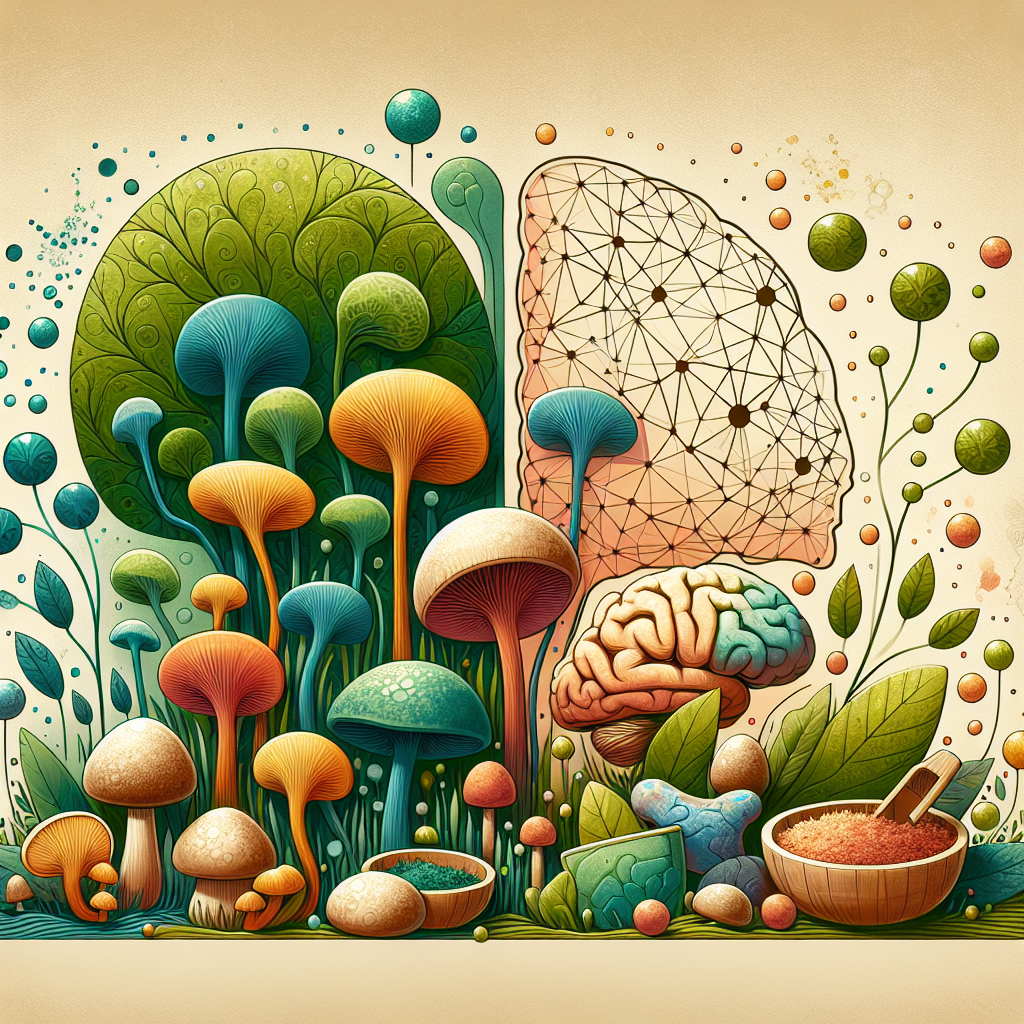
Natural Nootropics from Fungi: Unleashing the Cognitive Power of Medicinal Mushrooms
Estimated reading time: 7 minutes
- Discover the cognitive benefits of various medicinal mushrooms, particularly Lion’s Mane.
- Learn about the unique compounds that contribute to brain health and neuroprotection.
- Find practical tips for integrating functional mushrooms into your wellness routine.
- Explore the research backing the benefits of these natural nootropics.
Table of Contents:
- The Rise of Natural Nootropics from Fungi
- Key Medicinal Mushrooms as Nootropics
- Mechanisms of Action
- Traditional and Modern Use
- Practical Takeaways for Wellness Enthusiasts
- Connecting to Troop’s Offerings
- Conclusion
- FAQ
The Rise of Natural Nootropics from Fungi
Natural nootropics derived from fungi are at the intersection of ancient medicinal practices and modern scientific inquiry. These mushrooms contain bioactive compounds that can stimulate neural growth, promote cognitive enhancement, and even alleviate symptoms of mood disorders. As wellness enthusiasts increasingly seek natural alternatives to boost their mental acuity and overall health, the role of functional mushrooms becomes ever more critical.
Key Medicinal Mushrooms as Nootropics
Lion’s Mane (Hericium erinaceus)
Lion’s Mane is the star of the nootropic mushroom scene, recognized for its distinct appearance resembling a lion’s mane. It is equipped with powerful compounds that promote nerve growth and enhance memory. Numerous studies have revealed that Lion’s Mane can significantly increase neuronal growth and connectivity, thus facilitating better cognitive function. For instance, a recent study outlined that extracts from Lion’s Mane boost the size of neuronal growth cones—essential components for forming new neural connections (source).
Clinically, Lion’s Mane has shown considerable promise in improving cognitive scores, particularly in older adults with mild cognitive impairment. A 12-week randomized clinical trial demonstrated that participants experienced notable enhancements in memory, recognition, and language skills when supplemented with Lion’s Mane, compared to a placebo group (source). Furthermore, its neuroprotective properties may also support mental health by reducing symptoms of depression and anxiety, reflecting its potential use as an adjunct therapy for these conditions (source).
Other Medicinal Mushrooms
While Lion’s Mane stands out, several other medicinal mushrooms also contribute to cognitive health:
- Reishi (Ganoderma lucidum) – Dubbed the “mushroom of immortality,” Reishi has been valued in traditional Asian medicine for its calming effects and is considered beneficial for mood regulation and neuroprotection (source).
- Cordyceps – Known for enhancing energy and athletic performance, this fungus is also being researched for its possible neuroprotective properties, making it a dual benefit mushroom in cognitive support and physical endurance.
- Chaga – Renowned as a potent antioxidant, Chaga supports immune function and provides overall wellness, with emerging studies suggesting potential cognitive benefits as well (source).
These mushrooms support learning and focus primarily through the promotion of nerve regeneration and antioxidant actions.
Mechanisms of Action
Understanding how these natural nootropics work provides deeper insights into their benefits:
Neuronal Growth
The active compounds found in Lion’s Mane, particularly hericenones and erinacines, stimulate the synthesis of nerve growth factor (NGF). NGF is crucial for the growth, maintenance, and survival of neurons, which ultimately contributes to cognitive vitality (source).
Neuroprotection
Medicinal mushrooms exhibit protective effects against cognitive decline by fostering neuron health and potentially reducing oxidative stress, a precursor to neurodegenerative disorders such as Alzheimer’s disease (source).
Mood Support
The anti-inflammatory properties of these mushrooms alongside their neurotrophic benefits suggest a compelling link to mental health improvements. By enhancing mood and mental clarity, they offer potential natural relief for common emotional challenges, further solidifying their status in the wellness sector (source).
Traditional and Modern Use
For centuries, medicinal mushrooms have played an essential role in traditional Asian medicine, celebrated for their contributions to longevity and mental acuity. Modern scientific research is now validating these time-honored claims. Studies have shifted from anecdotal evidence to controlled trials and laboratory investigations, creating a robust body of knowledge on the efficacy of these fungi.
Practical Takeaways for Wellness Enthusiasts
For those eager to harness the cognitive benefits of these functional mushrooms, consider incorporating Lion’s Mane extract into your daily regimen. Here are some actionable tips:
- Start with Supplementation: Many forms of Lion’s Mane are available, from capsules to tinctures. Opt for a high-quality source that is transparent about its extraction methods and includes sufficient amounts of the active compounds.
- Combine with Other Nootropics: For enhanced effects, consider stacking Lion’s Mane with other natural nootropics like Ginkgo Biloba or Rhodiola Rosea, known for supporting mental clarity and resilience.
- Adopt a Holistic Approach: Pair the use of nootropic mushrooms with lifestyle choices such as balanced nutrition, regular physical activity, and mindfulness practices to maximize brain health benefits.
- Stay Informed: The field of functional mushrooms is rapidly evolving, with new findings emerging regularly. Follow credible sources and research to stay updated on the latest in mushroom research.
Connecting to Troop’s Offerings
At Troop, we are committed to harnessing the power of nature, particularly the incredible potential of functional mushrooms, to offer our customers wellness solutions that are both effective and sustainable. Our products are crafted using high-quality, bioavailable extracts that ensure maximum benefits, allowing you to embrace the advantages that natural nootropics provide.
Explore our range of functional mushroom supplements, formulated specifically to support your cognitive health, immunity, and overall wellness. Sign up for our newsletter to receive insights, tips, and exclusive deals, and feel free to reach out to us for any questions on how to incorporate our products into your health routine.
Conclusion
Natural nootropics from fungi represent an exciting frontier in cognitive enhancement and overall health. Lion’s Mane, with its well-documented benefits on memory and neural health, stands out in the realm of medicinal mushrooms. Meanwhile, other varieties like reishi, cordyceps, and chaga are also being explored for their supportive roles in brain health and wellness.
As we continue to study these natural wonders, the potential for using them to enhance our daily lives grows stronger. Embracing the benefits of these natural nootropics is a step towards a more mindful, vibrant approach to health and wellness.
Unleash the cognitive power of mushrooms, and join us at Troop in crafting a healthier, more fulfilling lifestyle today!
FAQ
What are nootropic mushrooms?
Nootropic mushrooms are fungi that may enhance cognitive functions, such as memory, creativity, or motivation, through their unique bioactive compounds.
How do I take Lion’s Mane?
Lion’s Mane is available in various forms including capsules, tinctures, and powders. It’s best to start with a supplement that has a high concentration of active compounds.
Are there any side effects?
While generally considered safe, some individuals may experience allergic reactions or gastrointestinal upset. Always consult with a healthcare provider before starting any new supplement.
Can I combine different medicinal mushrooms?
Yes, many people combine different mushrooms to enhance their cognitive effects, but it’s recommended to do so under the guidance of a healthcare professional.
Where can I find quality mushroom supplements?
Look for reputable brands that provide thorough information about their sourcing and extraction processes to ensure quality and potency.