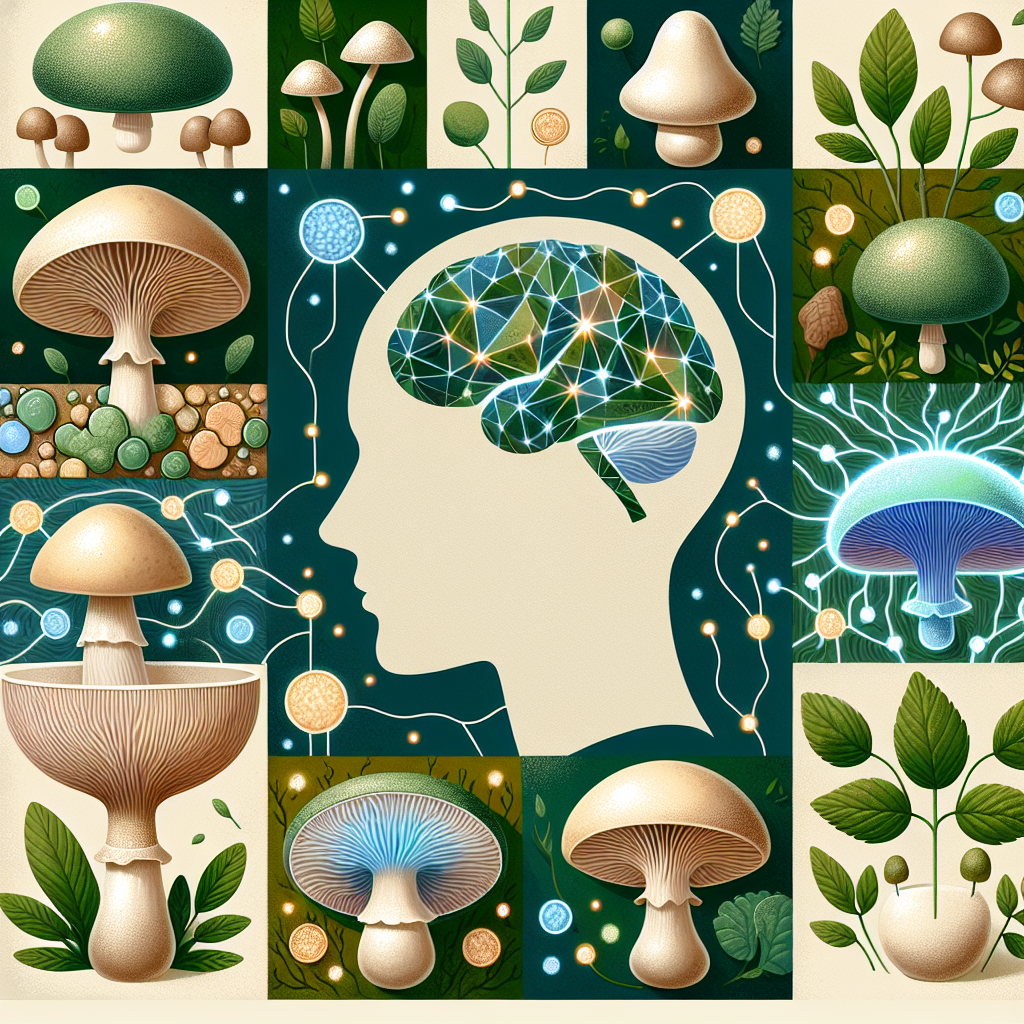
Unlocking the Secrets of Organic Mushroom Growing Methods
Estimated Reading Time: 5 minutes
Key Takeaways
- Organic methods promote health, wellness, and sustainability.
- Mushroom kits are great for beginners.
- Logs with organic spawn offer a traditional growing technique.
- Bag culture is effective for various species.
- Connect with Troop’s products to enhance your journey.
Table of Contents
- Introduction to Organic Mushroom Growing Methods
- Essential Methods for Organic Mushroom Growing
- Popular Organic Mushroom Species to Cultivate
- Practical Takeaways and Actionable Advice
- Conclusion: Embrace Organic Mushroom Growing
Introduction to Organic Mushroom Growing Methods
The realm of organic mushroom cultivation is fascinating, focusing on nature-driven processes that prioritize health and sustainability. Organic mushroom growing methods center around chemical-free substrates, natural environmental controls, and the avoidance of synthetic additives. By using techniques such as organic mushroom kits, logs inoculated with organic spawn, and bag culture with sterilized organic materials, you can grow your own mushrooms and enjoy their myriad health benefits.
The buzz surrounding mushrooms is not just about their delicious flavors; it’s also about their role in holistic nutrition, boosting brain health, and enhancing overall wellness. In this post, we’ll guide you through four essential organic mushroom growing methods that can be easily implemented at home, link them to the benefits of mushroom consumption, and illustrate how Troop’s products fit seamlessly into this growing niche.
Essential Methods for Organic Mushroom Growing
1. Organic Mushroom Kits
Organic mushroom kits are an ideal starting point for beginners looking to cultivate mushrooms at home. These kits typically contain pre-inoculated substrates made from organic materials such as straw, sawdust, or grain. Notably, they come with certified organic spawn, ensuring that any mushrooms produced are free from harmful chemicals.
To grow your mushrooms using a kit, simply:
- Place the kit in a humid environment, ideally away from direct sunlight.
- Regularly mist the kit to maintain moisture levels.
- Harvest your mushrooms by gently pulling them off the substrate once mature.
Organic mushroom kits not only provide a user-friendly way to engage in mushroom cultivation but also make the process educational and enjoyable. You can utilize them to explore various species and understand their growth dynamics.
2. Logs with Organic Spawn
If you’re up for a more traditional approach, consider using logs inoculated with organic spawn, which is perfect for growing mushrooms like shiitake. This method involves drilling holes into fresh hardwood logs (such as oak) and inoculating them with organic dowel spawn populated with mycelium.
The steps are simple:
- Drill small holes into the logs and insert the organic spawn.
- Seal the holes with natural beeswax to prevent contamination.
- Place the logs in a shady, moist area.
Once established, these logs can produce mushrooms for several years, all without the use of chemicals. This method not only yields delicious mushrooms but also contributes to sustainable forest management by utilizing hardwoods that may otherwise go to waste.
3. Bag Culture and Grain/Sawdust Substrates
Another effective organic mushroom-growing technique involves bag culture, where the substrate—comprised of sawdust, straw, or grain—is pasteurized or sterilized and then inoculated with organic spawn. This technique is particularly useful for mushrooms like oyster mushrooms.
Here’s how you can do it:
- Prepare your substrate using organic materials and sterilize it using heat or steam to eliminate any unwanted microorganisms.
- Mix in the organic spawn under sterile conditions.
- Pack the mixture into sterilized bags, buckets, or trays and incubate in a controlled environment with temperatures typically around 65-75°F and humidity at approximately 90%.
Once fully colonized, conditions are adjusted to trigger fruiting, mimicking natural temperature and humidity changes. This method ensures a healthy growing environment that supports robust mushroom development.
4. Environmental Control and Contamination Management
Regardless of the method you choose, maintaining a clean, draft-free environment is crucial. You should focus on hygiene, utilizing natural sterilization techniques like heat or steam rather than synthetic chemicals.
To reduce the risk of contamination:
- Sterilize all equipment and substrates before use.
- Ensure that inoculation points are sealed with natural materials.
- Monitor humidity levels using humidifiers or misting, striving for a non-chemical approach.
As you progress through the cultivation process, give attention to detailed operational tasks like substrate preparation, fruiting environment optimization, and waste disposal. Composting your spent substrate and mushrooms not only enriches your soil but also supports the organic cycle.
Popular Organic Mushroom Species to Cultivate
The following species are popular among home cultivators for their flavor, nutritional benefits, and ease of growing:
- Shiitake: Often cultivated on hardwood logs using organic dowel spawn, shiitake mushrooms are rich in antioxidants and are known to support immune health.
- Oyster: Frequently grown in bags filled with organic straw or sawdust, oysters are excellent for boosting brain health due to their high vitamin and mineral content.
- White/button mushrooms: These are commonly grown on organic compost-based substrates and are staple additions to many kitchens, offering a meaty texture and a mild flavor.
These mushrooms not only enhance the variety in your diet but also come with a plethora of health benefits.
Practical Takeaways and Actionable Advice
- Start Small: If you’re new to mushroom cultivation, begin with mushroom kits to familiarize yourself with the process before moving on to logs or bag culture.
- Maintain Hygiene: Avoid contamination by ensuring all your equipment and substrates are sterile, and practice cleanliness throughout the growing process.
- Experiment with Varieties: Don’t hesitate to explore various mushroom species, as each offers unique flavors and health benefits.
- Educate Yourself: Utilize online resources and communities to expand your knowledge. As you deepen your understanding, you’ll find plenty of opportunities for innovation and creativity in your mushroom-growing journey.
- Connect with Troop’s Products: Enhance your wellness journey by incorporating Troop’s health-focused mushroom products into your diet, complementing your mushroom cultivation at home.
Conclusion: Embrace Organic Mushroom Growing
Organic mushroom growing methods are not just a sustainable approach to food production; they are a pathway to health, wellness, and culinary delight. By embracing these techniques, you can enjoy the therapeutic benefits of functional mushrooms while connecting more deeply with where your food comes from.
At Troop, we believe in the power of mushrooms to contribute significantly to your wellness journey. Whether you’re looking to improve brain function, bolster immunity, or simply nourish your body, our range of natural wellness products complements your efforts in cultivating organic mushrooms at home.
Unlock the benefits of functional mushrooms today. Explore Troop’s range of high-quality mushroom products, subscribe to our emails for ongoing insights and updates, or contact us for more information on how to enrich your health with nature’s best offerings!
Let’s cultivate a healthier, more sustainable future—one mushroom at a time!
FAQ
Can I grow mushrooms indoors?
Yes, many mushroom varieties can be successfully grown indoors, especially when using kits designed specifically for indoor cultivation.
How long does it take for mushrooms to grow?
The time it takes for mushrooms to grow varies by species, but typically you can expect to harvest mushrooms within 2 to 6 weeks after the initial inoculation.
Do I need special tools to grow mushrooms?
While some methods may require specific tools, many beginners can start with basic equipment and mushroom kits that include everything needed for successful cultivation.